Physical Therapy for Performing Artists
Your Body Is Part of Your Instrument.
Singers, recording artists, actors, dancers and instrumentalists place demands on their bodies that traditional rehabilitation doesn’t always understand.
Your ability to work may depend upon something as subtle as breath timing, rib mobility, pelvic floor coordination, jaw tension, hip stability or the ability to sustain physical effort while maintaining vocal freedom.
When one part of that system isn’t working well, you may feel it somewhere entirely different.
That’s where performance-focused physical therapy can help.
Specialized Care for Artists Whose Bodies Are Their Livelihood
Performance medicine cannot stop at “Are you in pain?”
For a professional artist, the better questions are:
Can you rehearse?
Can you record?
Can you perform repeatedly without symptoms escalating?
Can you travel and recover?
Can you do all of that without compensating in ways that eventually create another problem?
At Garner Pelvic Health, Dr. Ginger Garner combines more than 25 years of experience in orthopedic and pelvic physical therapy with her background as a vocalist and performing artist to address the unique physical demands of performance.
Her work is particularly focused on an area frequently overlooked in both voice and rehabilitation care: the relationship between the voice, breath, body, and pelvic floor.

You May Benefit From Performance-Focused PT If You Experience:
Voice & Breathing Issues
- Vocal fatigue
- Loss of vocal power or endurance
- Difficulty sustaining phrase
- Breath-holding or excessive bracing
- Difficulty coordinating breath and movement
- Jaw, tongue, neck or throat tension
- Rib or thoracic restriction
- Symptoms that increase with demanding vocal work
Pelvic & Core Symptoms
- Pelvic pain
- Pelvic pressure or heaviness
- Urinary leakage
- Pain with intercourse or sexual activity
- Abdominal gripping
- Difficulty relaxing or coordinating the pelvic floor
- Symptoms associated with endometriosis
- Postpartum changes affecting performance
Musculoskeletal Performance
- Hip or low-back pain
- Hip dysplasia, labral injury or impingement
- Hypermobility or EDS
- SI joint or pelvic girdle pain
- Recurrent performance-related injuries
- Difficulty returning to stage after surgery or injury
- Strength or mobility limitations affecting performance
- Pain associated with choreography, instrumentation or prolonged performance positions
Performance Sustainability
Touring and professional performance can also challenge recovery.
Sleep disruption, travel, dehydration, nutrition, stress, hormonal changes, repetitive workload and inadequate recovery can all influence musculoskeletal and pelvic health.
Our integrative approach considers those factors when they are relevant to your performance.
The Voice to Pelvic Floor Connection
Traditional voice training understandably focuses heavily on the vocal mechanism and breath.
Pelvic rehabilitation traditionally focuses on the pelvis and respiratory diaphragm.
But performers don’t use these systems separately.
The vocal diaphragm, respiratory diaphragm, abdominal wall and pelvic floor continually coordinate to manage pressure, respiration, stability and movement.
Dr. Garner’s Voice to Pelvic Floor methodology evaluates these relationships as one integrated system.
For vocalists in particular, this provides another lens for understanding what happens when “support” begins to feel like strain, gripping, pressure or fatigue.
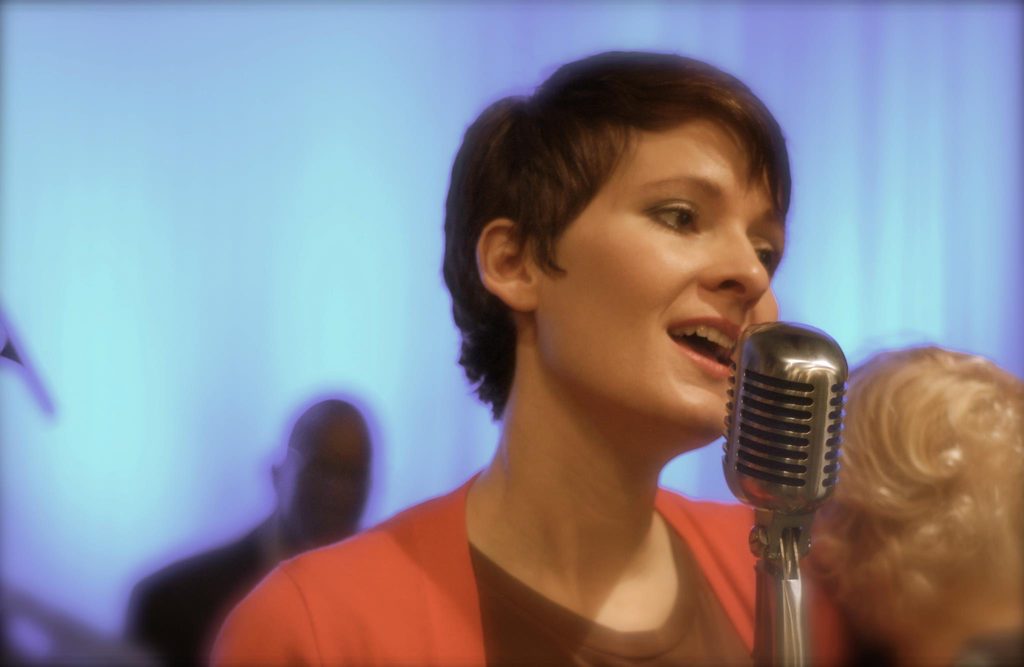
See Your Performance From the Inside
One of the most powerful tools we use with performers is rehabilitative ultrasound imaging (RUSI).
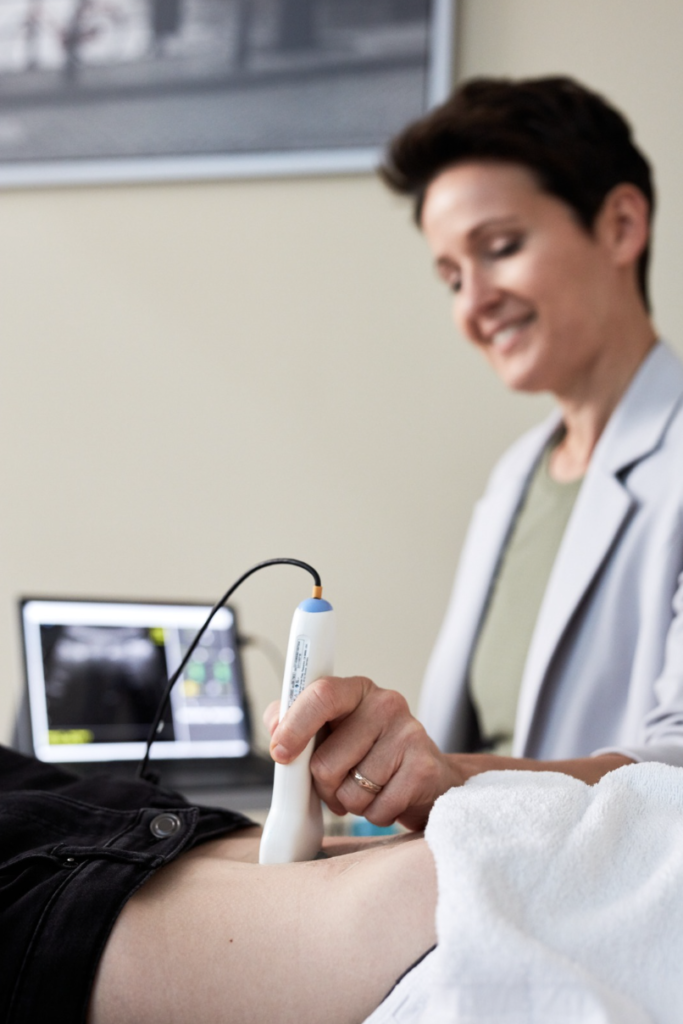
This noninvasive technology can provide real-time visual feedback about how the deep core and pelvic floor respond during:
- Breathing
- Phonation
- Movement
- Abdominal loading
- Performance-specific tasks
For a singer, that means we can sometimes observe what happens through the deep core and pelvic floor while you actually make sound.
This changes the conversation from:
“I think I’m supporting correctly.”
to:
“Now I can see what my body is doing.”
That feedback can help identify excessive bracing, poor pressure management, inefficient recruitment or coordination patterns that may be difficult to recognize otherwise.
Treatment Built Around the Demands of Your Art
There is no generic “performer exercise program.”
Your evaluation is built around your body, your symptoms and the actual demands of your work.
Depending upon your needs, care may include:
- Orthopedic physical therapy
- Pelvic health physical therapy
- Voice to Pelvic Floor™ assessment
- Rehabilitative ultrasound imaging
- Breathing and pressure-management retraining
- Performance-specific movement analysis
- Manual therapy
- Orofacial, orthopedic or pelvic dry needling when appropriate
- Hip, spine and rib rehabilitation
- Strength and conditioning
- Pilates and yoga-based rehabilitation
- Hypermobility-informed rehabilitation
- Lifestyle and recovery strategies
- Coordination with members of your existing healthcare and performance team

We Don’t Replace Your Voice Team. We Add Another Piece to It.
Performance health works best collaboratively.
Physical therapy does not replace the expertise of your:
ENT/laryngologist • voice teacher • vocal coach • speech-language pathologist/voice therapist • trainer • physician • mental health professional • other members of your performance team
Instead, we address the musculoskeletal, pelvic and whole-body contributors that may be influencing performance.
When appropriate and with your permission, we can collaborate with your existing team so that everyone is working toward the same goal:
Keeping you healthy enough to do your work — and helping your body support your artistry rather than interfere with it.

Care for Recording Artists, Singers & Touring Professionals
Professional artists often need healthcare to work differently.
Schedules change. Travel happens. Rehearsal and recording demands don’t always fit into a traditional weekly appointment model.
For professional performers, care can be structured around the demands of your schedule and may include intensive evaluations, targeted follow-up care, consultation and coordination with your existing healthcare and performance team.
Artists traveling for care can contact us directly to discuss the most appropriate format.
Discretion and privacy are central to our approach.
Now Serving Nashville Performing Artists
Garner Pelvic Health is expanding specialty performing arts physical therapy services to Nashville, Tennessee, with select appointment dates for singers, musicians, recording artists, touring professionals, and others whose bodies and voices are essential to their work.
Dr. Ginger Garner developed and specializes in Voice to Pelvic Floor physical therapy, combining advanced orthopedic and pelvic rehabilitation with rehabilitative and musculoskeletal ultrasound imaging with dry needling, breathing and pressure-management assessment, and performance-specific care.
Nashville appointments are designed to complement the artist’s existing healthcare and performance team. Dr. Garner welcomes referrals and collaboration with physical therapists, voice teachers and coaches, speech-language pathologists, ENTs/laryngologists, trainers, physicians, and other professionals working with performers.

Care may be appropriate for artists experiencing:
- Vocal effort, fatigue, tension, or changes in breath support
- Rib, thoracic, neck, jaw, hip, spine, or pelvic dysfunction
- Pelvic floor symptoms affecting performance or quality of life
- Recurrent or difficult-to-resolve musculoskeletal problems
- Hypermobility and complex movement or stability concerns
- The need for advanced ultrasound assessment and visual biofeedback
- Return to recording, rehearsal, touring, or performance following injury or surgery
- Managing vocal and body changes related to pregnancy, postpartum, perimenopause, and menopause
Nashville Appointments
Nashville care is offered on select dates by advance appointment rather than through a traditional weekly clinic schedule.
Appointments may be coordinated around recording, rehearsal, touring, and performance schedules, with concierge options available when appropriate.
Interested in Nashville care? Contact Garner Pelvic Health to request an appointment or to be notified of upcoming Nashville dates.
For PT clinics, voice professionals, and other referring providers:
We welcome collaborative referrals and consultation for artists who may benefit from advanced Voice to Pelvic Floor™, pelvic health, orthopedic, or ultrasound assessment.
Western North Carolina Appointments
Limited specialty appointment days in the Asheville and Western North Carolina area are planned as availability allows.
These visits are intended for patients seeking advanced pelvic health, orthopedic, performing arts, Voice to Pelvic Floor™, or ultrasound-based care who may not be able to travel regularly to Greensboro.
Contact Garner Pelvic Health to inquire about future Western North Carolina dates.
Meet Dr. Ginger Garner
Physical Therapist. Educator. Author. Vocalist.
Dr. Ginger Garner, PT, MPT, DPT, ATC-Ret, DipACLM, has spent more than 25 years treating complex orthopedic and pelvic health conditions and educating rehabilitation professionals internationally.
As both a clinician and vocalist, she recognized that a critical part of the performance system was frequently missing from both voice care and pelvic rehabilitation.
That observation became the foundation for her Voice to Pelvic Floor methodology.
Her clinical experience includes working with professional vocalists, recording artists, Broadway performers, athletes and people with complex pelvic and orthopedic conditions from across the United States and internationally.
She brings together advanced orthopedic and pelvic rehabilitation, rehabilitative ultrasound imaging, performance medicine principles and integrative lifestyle medicine to help artists understand not simply where something hurts — but why their entire performance system may no longer be working efficiently.

You Don’t Have to Wait Until an Injury Stops You From Performing.
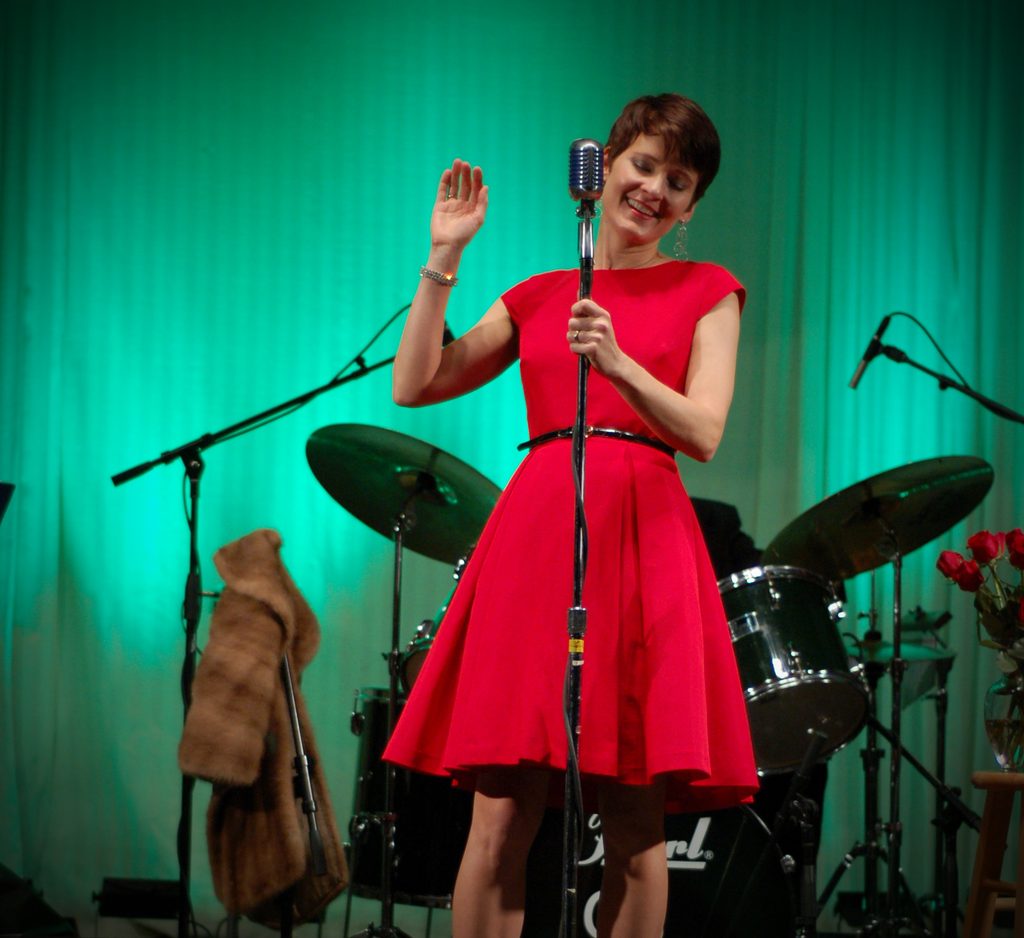
Some artists come to us because pain or dysfunction is already interfering with their work.
Others come because something simply feels different:
Less power. Less endurance. More effort. More tension. Less freedom.
You don’t need to wait for those changes to become a career-limiting injury.
Whether you are recovering from an injury, managing a complex condition, returning to performance, or trying to protect the instrument you depend upon professionally, we can help determine what your body needs.
Professional Performing Artist?
Garner Pelvic Health sees performing artists in Greensboro, North Carolina, and on select dates in Nashville, Tennessee.
Contact us directly regarding Nashville availability, intensive evaluations, performance-related care, or coordination with your existing medical and voice team.