
When Your Brain Goes Offline: A Dysautonomia Story (Even Without Daily POTS)
Note: Even if physical fitness is your jam, dysautonomia can be utterly disabling. Here’s what to consider if you have POTS or think you have borderline POTS or POTS-like symptoms.
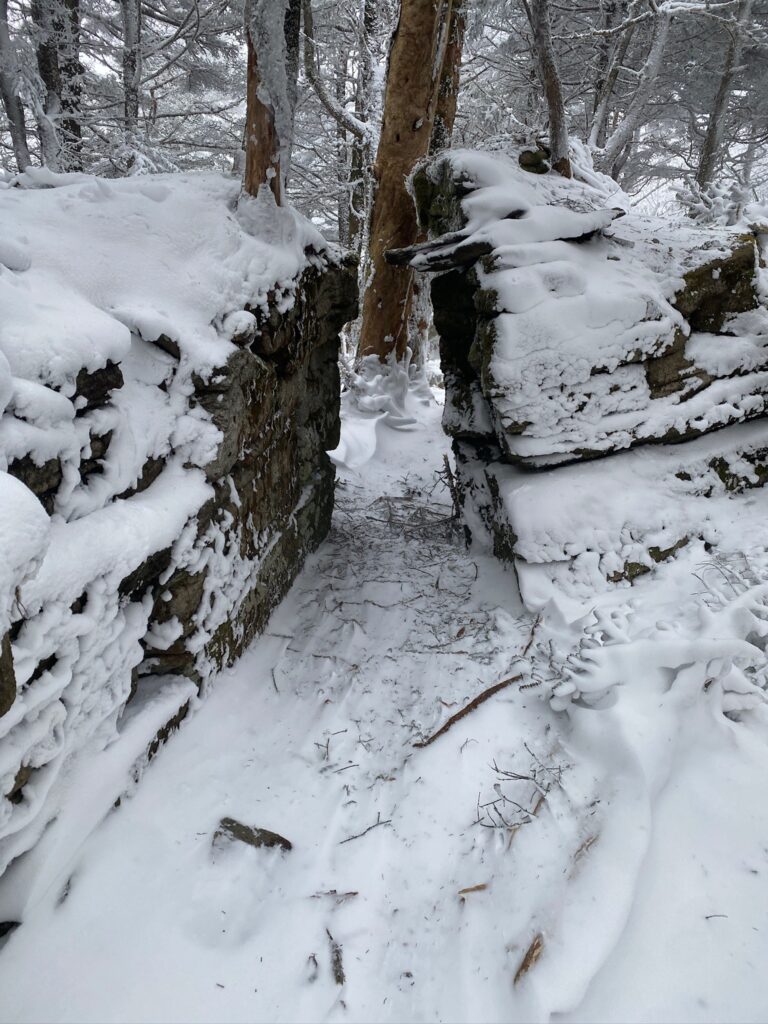
I recently hiked 9 miles during a snowstorm, with sub-zero temperatures, sustained winds of 20 mph with gusts up to 44 mph, with over 2,500 feet of elevation gain. It was a day hike, and a last minute decision to do it at that. Mother Nature doesn’t give you much notice when a gorgeous snow storm hits.
The thing is, I’m fit. I fuel and hydrate well. I’ve done this exact trail before with a 20 pound pack. I didn’t expect trouble.

Conditions – 8.8 miles hiked in subzero temps with 20 mph sustained winds and 44 mph gusts with 2500+ elevation gain.
Grandfather Mountain ~ February 2026
Calloway Peak, Grandfather Mountain – 5,964 feet
Calloway Peak is the highest point of Grandfather Mountain. At 5,964 feet, it is a popular, strenuous hiking trail known for its rocky terrain, ladders, ropes, and stunning panoramic views. It also happens to be the tallest peak on the eastern escarpment of the Blue Ridge Mountains. I went because my son was heading up during the pending snowstorm, and as a mom of 3 teenaged boys, I will never turn down an opportunity to spend quality time with them, even if it means hiking for all day. Plus, there was no way I was letting him hike this trail alone.
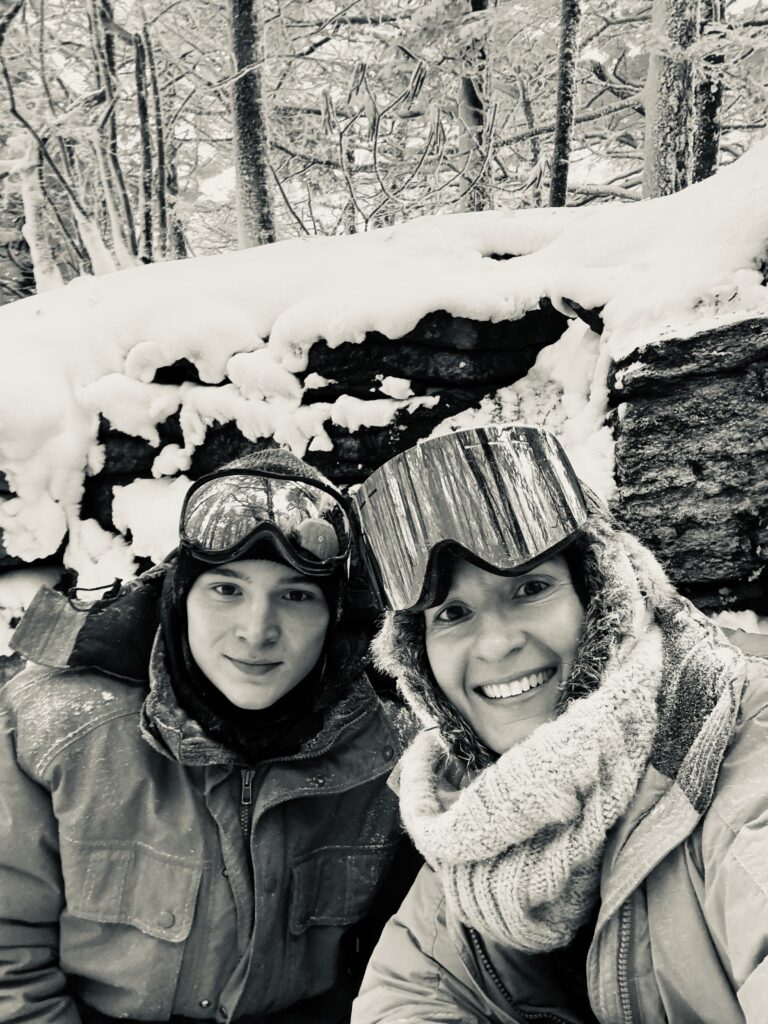
At the summit, I looked strong. I even posed for a photo.
But on the climb, my heart rhythm became unstable. I developed sustained PSVT—a rapid, irregular tachycardia that eased briefly when I stopped and returned immediately with exertion. I felt off-balance. My energy dropped. My thinking narrowed.
It resolved only after I stopped, warmed, and ate real carbohydrates with sodium—not just sugar.
What surprised me most wasn’t the cardiovascular symptoms—it was what came after.
What Happens When You’re Hypermobile and Super Active
The next day, my cognition was off. I was making uncharacteristic mistakes. My processing speed was slower. I felt mentally “behind,” even though nothing about me is cognitively impaired.
This matters because I don’t have daily POTS symptoms. I don’t faint when I stand. I live an active, functional life.
But if you have vascular hypermobility—that means your margin is smaller.
This Isn’t “Brain Fog.” It’s State-Dependent Physiology
People with vascular hypermobility or dysautonomic traits can tip into relative hypovolemia and autonomic stress without extreme conditions. However in this case, it took extreme conditions to trigger this event.

Prolonged subzero exposure, prolonged exertion on a technically challenging hike, prolonged upright posture, missed electrolytes, and emotional stress—these stack. When they do, cognition is often the first thing to go.
Not because the brain is damaged—but because it’s operating without reserve.
Clinical Pearl: Cognitive Symptoms ≠ Psychological
Reduced processing speed and executive errors in dysautonomia often reflect relative cerebral hypoperfusion or neuroglycopenia, not anxiety or mood disorder.
Why Thinking Slows in Hypovolemia & Dysautonomia
Relative Cerebral Hypoperfusion
You don’t need to faint for cerebral blood flow to drop.
Blood pools more easily. Plasma volume runs low. The brain gets enough—but not extra.
Result:
• Slower processing
• Reduced working memory
• Small executive mistakes
Neuroglycopenia Without Hypoglycemia
The thing is – my symptoms could have been confused for hypoglycemia, or low blood sugar. However, normal blood sugar does not equal adequate glucose availability to neurons. And your labs could look absolutely fine, but you still have symptoms.
What’s at the core of the issue, perhaps? Astrocytic glycogen can be depleted. Catecholamines redirect fuel away from the cortex.
Sugar alone isn’t enough—slower carbs plus sodium stabilize the system.

Important Distinction
Normal serum glucose ≠ adequate cerebral glucose availability.
Astrocytic glycogen depletion and catecholamine-mediated fuel redistribution matter.
Autonomic Overdrive → Rebound
After prolonged stress, sympathetic tone doesn’t shut off cleanly. You feel alert but cognitively inefficient—wired but slow. That’s how I felt on the hike. Not tired, but unable to maintain the pace I wanted without tachycardia (high heart rate) and feeling like I was low on glucose and slightly uncoordinated.
Putting this into English, it means that electrolytes Affect Neurons, not just muscles
Mild sodium or magnesium shifts can impair synaptic efficiency.
Labs can look “normal” while cognition isn’t.
Even after a full night’s sleep, which I got – it doesn’t mean the brain is fully restored. Mine wasn’t.
Autonomic stress fragments REM and slow-wave sleep.
So even if you slept, your brain didn’t reset.
Why This Happens Without Extreme Conditions
What happened to me on a mountain happens to others during:
• Long workdays
• Heat or cold exposure
• Travel
• Illness
• Missed meals
• Overhydration without salt
The difference isn’t strength. It’s vascular and autonomic margin.
Hydration Trap
Patients may be “well hydrated” yet hypovolemic.
Plasma volume restoration requires sodium, not water alone.
Why Labs Miss This
Electrolyte and glucose labs can be normal while functional neuronal signaling is impaired.

So How Does One Recover from Hypovolemia? Here is a little Brain Recovery Day Checklist
Fuel
- Eat carbs every 3–4 hours. In my case, when I do an extreme weather hike in the future, I will plan to refuel with a complex carbohydrate every 30-60 minutes, even if I’m not hungry. My BMI is about 19, so I am not someone who can afford to lose weight or get hypoglycemic.
- Warm, easy-to-digest meals – I would suggest packing salty bone broth in an insulated water bottle. The insulated water bottle I had kept water warm for 7 hours, but my Nalgene bottle full of water froze in my backpack.
- Avoid fasting
Fluids + electrolytes
- Don’t rely on plain water – I would plan to carry one insulated water bottle full of bone broth, and one full of electrolyte enhanced water like Nuun or LMNT, or Liquid IV.
- Include sodium throughout the day above your normal intake
Temperature
- Stay warm – My parka was rated to -40, but stopping in those conditions, even to remove my hand from my glove for 1-2 minutes, risked hypothermia. My boots were insulated and I had excellent base layers. My hat was fur and wool constructed and I wore a large wool neck gaiter.
- Warm showers after exposure help cerebral perfusion
Movement
- Gentle walking only – I did light yoga and gentle walking until my cognitive symptoms were resolved
- No intensity or strain
Cognitive load
- No major decisions
- Write things down
- Single-task
Sleep
- Early bedtime – Aim for 7-9 hours of sleep
- Magnesium if tolerated – Mg glycinate is a favorite, as it also helps with sleep and does not have a laxative effect like citrate
Most people recover within 24–72 hours. I recovered in less than 24 hours, and consider myself lucky.
Prevention (Especially If You Have “Borderline” Dysautonomia)
• Treat carbs, salt, and warmth as medical support not as luxuries to have
• Eat before hunger
• Salt before symptoms
• Hydration without sodium ≠ blood volume restoration
Early warning signs:
Slowed thinking
Balance changes
Tachycardia with exertion
Wired-but-weak fatigue
These are signals—not failures.
Red Flag for Mislabeling
Patients who say:
“I feel stupid / slow / not myself”
Often mean:
“My brain doesn’t have enough flow or fuel.”
Dysautonomia & Physical Fitness: The Reframe
I didn’t push too hard. My system asked for resources. Once I provided them, it stabilized. If you’re vascularly hypermobile or intermittently dysautonomic, your body isn’t fragile—it’s responsive. And responsiveness requires strategy, not grit.
About the Author
Ginger Garner, PT, DPT, DipACLM, is a doctor of physical therapy and dysautonomia advocate specializing in pelvic and orthopedic health. She is a subject matter expert in and supports with people with endometriosis, hypermobility, and complex chronic conditions through integrative, trauma-informed care and advanced training in MSKUS. She hosts The Vocal Pelvic Floor podcast and teaches internationally, with a hope-forward focus on helping patients feel safer, stronger, and more at home in their bodies. She owns Garner Pelvic Health, in Greensboro, NC, where she welcomes patients from across the world.


